
by inspiration
in News
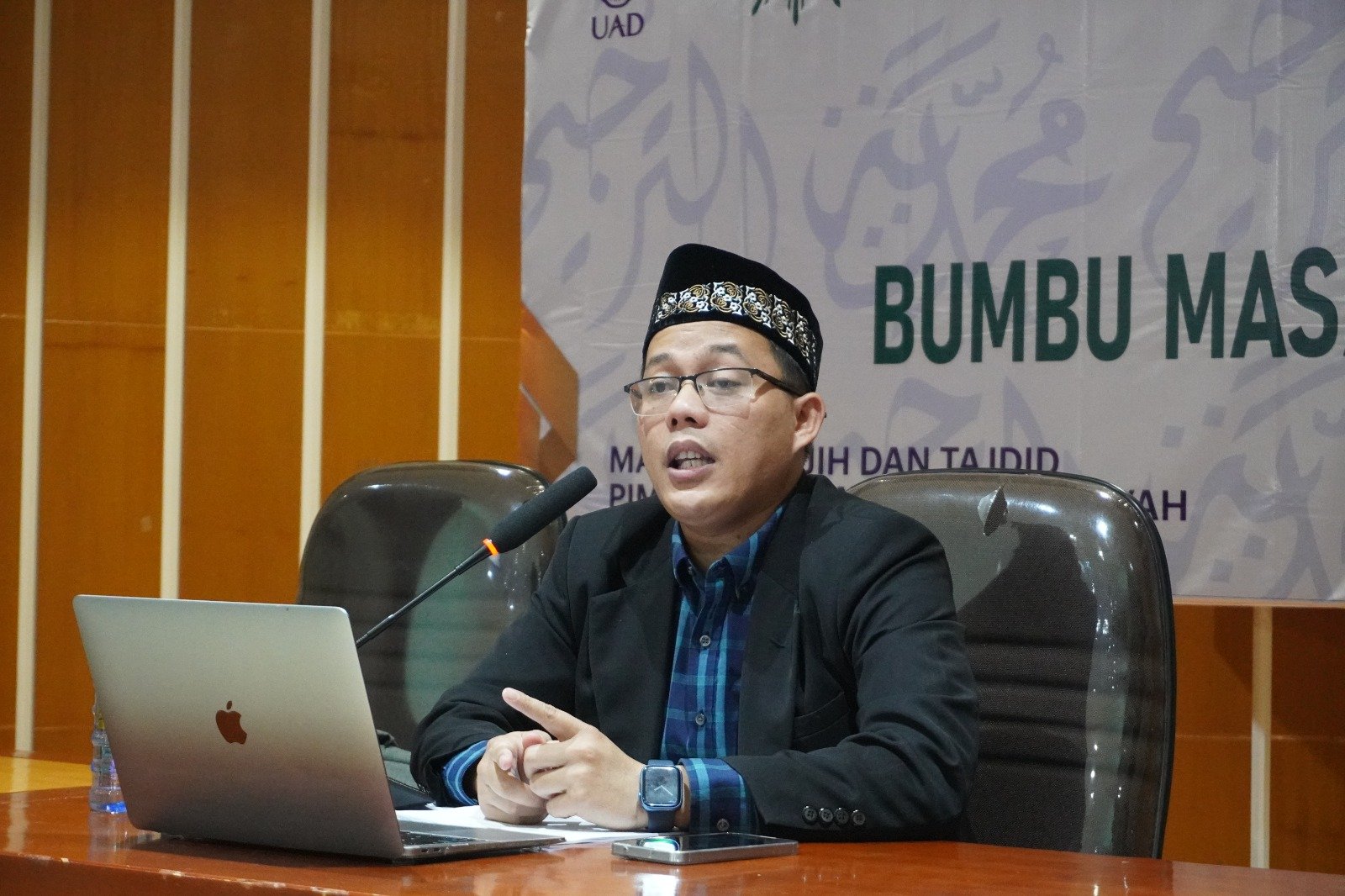

MUHAMMADIYAH.OR.ID, YOGYAKARTA – Muhamad Rofiq Muzakkir, Secretary of the Tarjih and Tajdid Council of the Muhammadiyah Central Leadership, delivered a presentation on the study of Fiqh Aqalliyāt or the jurisprudence of Muslim minorities in the Halaqah on the Halal-Haram Status of Traditional Japanese Cooking Seasonings held at the Islamic Center Mosque of Ahmad Dahlan University on Friday (24/01).
Minority fiqh, according to Rofiq, is a branch of fiqh that provides guidance for Muslims living in a non-Muslim majority society. With the aim of making it easier for people to practice religious teachings in different social and cultural contexts, this fiqh seeks to bridge the universal dimension of Islam with local realities.
In his presentation, Rofiq explained three categories of minority Muslims. First, the group of immigrant Muslims, such as immigrants or tourists from Muslim-majority countries. This group brings cultural baggage from their homeland, such as customs and habits that often become challenges when adapting to a new country.
Second, native Muslims, namely individuals who have just embraced Islam in a non-Muslim majority environment and do not have the memory of the Muslim majority culture. They often face confusion regarding sharia practices, such as the reason for the prohibition on keeping dogs.
Related Materials
Progressive Islam Teaches Balance of Spirituality and Technological Progress
MPM PP Muhammadiyah Strengthens Cadre Formation for Community Empowerment in East Kalimantan
Improving Academic Literacy Through MuhCor Fest
The third category is native-generation Muslims, namely Muslim communities that have existed for generations in non-Muslim societies, such as Tatar Muslims in Russia, Andalusian Muslims in Spain, or Muslims in India and China. These groups have often succeeded in creating a distinctive Islamic culture, although they still face challenges in implementing the sharia fully.
“Minority fiqh aims to make it easier for Muslims to practice their faith, worship, and morals, even in the midst of a non-Muslim majority society,” explained Rofiq.
Rofiq also emphasized the importance of flexibility in interacting with the surrounding community so that people do not isolate themselves. “When abroad, Indonesians usually look for other Indonesians. In fact, minority fiqh is actually a bridge to interact more widely.”
According to Rofiq, the methodology of minority fiqh is no different from fiqh in general. This discipline still takes inspiration from the Islamic intellectual tradition (turats) and integrates it with the modern context. Its approach balances maqasid sharia (macro objectives of sharia) with concrete (micro) fiqh laws.
This fiqh also considers the long-term impact of the law, as emphasized in Fiqh Maʿālat, namely consideration of the consequences of implementing a law. This sensitivity allows for legal flexibility in certain contexts, such as allowing the purchase of a house through a usury-based mortgage system or the use of student loans from conventional banks for education.
Minority fiqh, Rofiq continued, is an important strategy in dealing with the dilemmas of minority Muslim life, such as usury transactions, interactions with non-Muslims, and the challenge of maintaining Islamic identity. This branch of knowledge not only provides practical solutions, but also encourages the development of Islam, both personally and institutionally, in the midst of non-Muslim communities.
Through an approach that is cross-school and relevant to the dynamics of the times, minority fiqh is expected to become a tool for Muslims to actively contribute to society without losing their Islamic identity.
Categories: The Muslim Times