
BY DAILY SABAH WITH AA
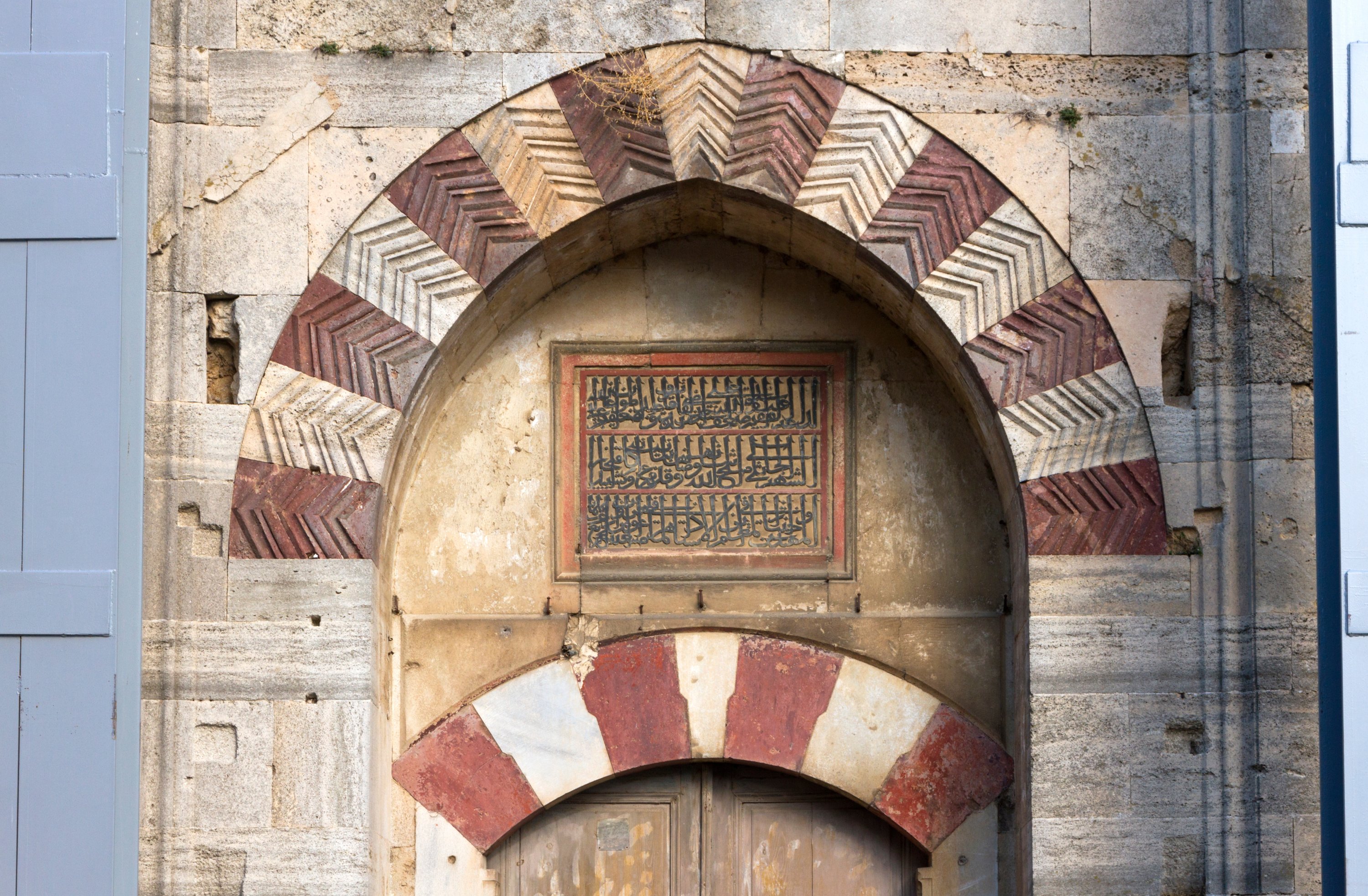
ISTANBUL FEB 01, 2022 – 3:30 PM GMT+3One of the side gates of the Çelebi Sultan Mehmed Mosque in Didymoteicho, Western Thrace, Greece, Nov. 13, 2016. (ShutterStock Photo)

Greek coast guard threw 3 migrants into sea, 1 dead: Minister
Agroup of Greek extremists targeted a mosque in Dimetoka (Didymoteicho), a town near the Turkish-Greek border, in an Islamophobic attack, media reports said Tuesday.
The extremists on Monday hung anti-Islam banners across the Çelebi Sultan Mehmet Mosque. “The Islamization of Meriç (Evros) must be stopped immediately” read the banners.
The Friendship, Equality and Peace Party (DEB) – a party popular among Greece’s Turkish minority – condemned the attack.
“They (the attackers) are trying to shape our minority according to their own perspectives by ignoring the religion of the Western Thrace Muslim Turkish minority, whose race is unjustly denied in our country,” said DEB in a written statement and added that the incident was regrettable.
The statement said that it is imperative that Turks of Western Thrace, who live in peace in the region without discriminating against people, language, religion or race, are treated as they deserve and should be taken as an example, and added, “We strongly condemn (the attack) and such fascist thoughts, and also wish them to end as soon as possible.”
The country’s unwelcoming stance toward its Muslim population is not a new phenomenon. For instance, up until recently, Athens was known as the only European capital without a mosque, even though there are an estimated 300,000 Muslims in the greater Athens area. Back in November 2020, for the first time since the 19th century, Athens witnessed the inauguration of an official mosque, as years of efforts by the Muslim community finally paid off.
Turkey has long decried Greek violations of the rights of its Muslim and Turkish minority, from closing down mosques and historic mosques crumbling away, denying to recognize Muslims’ election of their own muftis. These actions violate the 1923 Treaty of Lausanne as well as the European Court of Human Rights (ECtHR) verdicts, making Greece a state that flouts the law, Turkish officials say.
Similarly, the election of muftis, or Islamic clerics, by Muslims in Greece has become yet another point of contention that caused trouble for the Muslims in the country. Even though it is regulated by the 1913 Treaty of Athens – a Greek-Ottoman Empire pact that Athens implemented in 1920 – that gives the community the right to elect their own muftis, however, in 1991, in violation of international law, Greece annulled the treaty and unlawfully started to appoint the muftis itself.
The muftis appointed by the Greek state have since usurped local Muslims’ right of jurisdiction on family and inheritance matters. As a result, the majority of Muslim Turks in Western Thrace do not recognize the Greek appointed muftis and instead elect their own.
Categories: Europe, Europe and Australia, European Union, Greece, Turks