
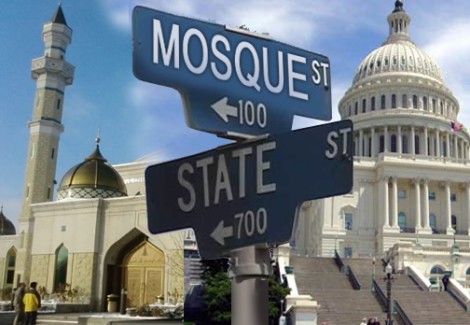
The Muslim Times has been promoting Secularism since its inception five years ago. For our collection of articles to promote secularism in every country of the world, please click here
Source: Dawn.com
By Pervez Hoodbhoy
THE mosque in Pakistan is now no longer just a religious institution. Instead it has morphed into a deeply political one that seeks to radically transform culture and society. Actively assisted by the state in this mission in earlier decades, the mosque is a powerful actor over which the state now exercises little authority. Some have been captured by those who fight the government and military. An eviscerated, embattled state finds it easier to drop bombs on the TTP in tribal Waziristan than to rein in its urban supporters, or to dismiss from state payroll those mosque leaders belonging to militant groups.
Very few Pakistanis have dared to criticise the country’s increasingly powerful mosque establishment although they do not spare the Pakistan Army and the country’s political leaders for their many shortcomings. For example, following the Army Public School massacre, Prime Minister Nawaz Sharif’s promise to regulate the madressahs was immediately criticised as undoable. Had he instead suggested that Pakistan’s mosques be brought under state control as in Saudi Arabia, Iran and several Muslim countries, it would have been dismissed as belonging to even beyond the undoable.
The state’s timidity was vividly exposed in its handling of the 2007 bloody insurrection, launched from inside Islamabad’s central mosque, Lal Masjid, barely a mile from the heart of Pakistan’s government. It was a defining point in Pakistan’s history. The story of the Lal Masjid insurrection, its bloody ending, and subsequent rebound is so critical to understanding the limitations of Pakistan’s fight against terrorism that it deserves to be told once again.
Very few Pakistanis have dared to criticise the country’s increasingly powerful mosque establishment.
In early January 2007, the two head clerics of the Lal Masjid demanded the immediate rebuilding of eight illegally constructed mosques knocked down by the civic authorities. Days later, an immediate enforcement of Sharia in Islamabad was demanded. Armed vigilante groups from Jamia Hafsa and nearby madressahs kidnapped ordinary citizens and policemen, threatened shopkeepers, burned CDs and videos, and repeated the demands of tribal militants fighting the Pakistan Army.
Categories: Ahmadis And Pakistan, Pakistan, Secularism, The Muslim Times