

Emma Pearson – emma.pearson@thelocal.com
Published: 16 Oct, 2026
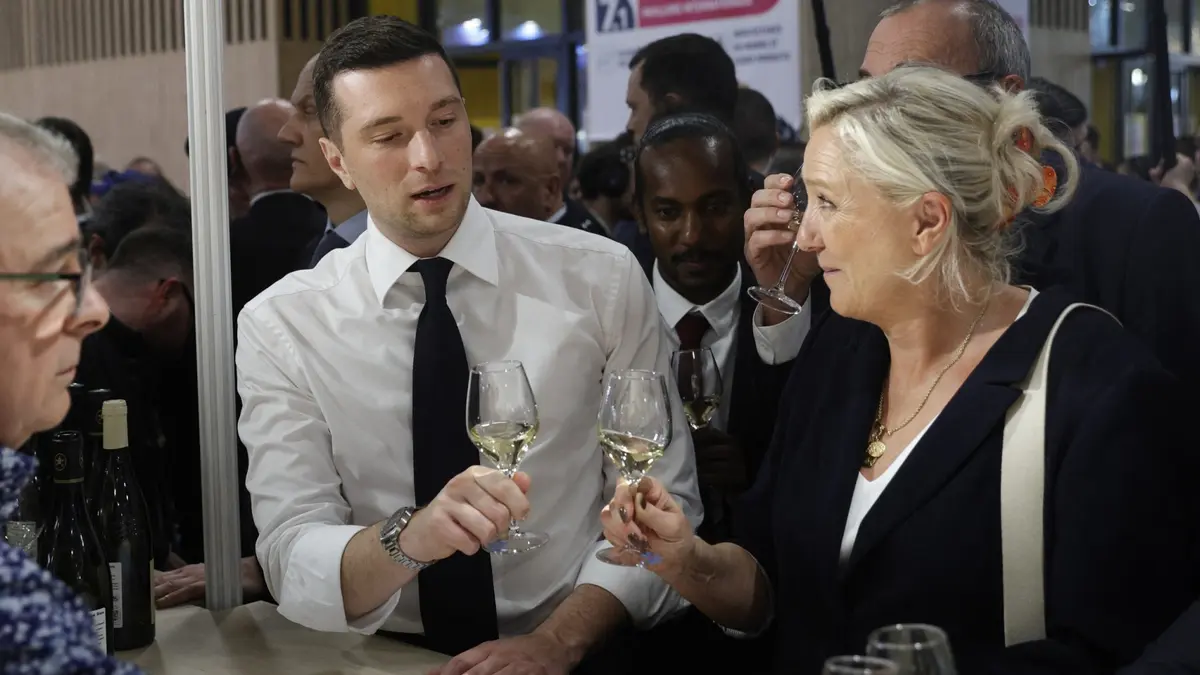
France’s presidential candidates have been caught in the middle of a row between French cancer charities and winemakers over whether alcohol should be labelled ‘dangerous’.
At present, all adverts for alcoholic drinks in France must be accompanied by the message l’abus d’alcool est dangereux pour la santé (alcohol abuse is dangerous for your health).
But now the French cancer charity La Ligue contre le cancer wants that changed to simply read l’alcool est dangereux pour la santé (alcohol is dangerous for your health).
They have called on all of the many candidates in France’s 2027 presidential race to include this proposal in their manifestos.
But while the politicos are, presumably, still thinking about it, the proposal has met with a furious response from French winemakers.
Fabien Mariscal, who makes wine in his vineyards in Aude, near Carcassone, told RMC radio: “I’m fed up with everything being lumped together. Alcohol consumption is going to be generalised. And for my sector, wine-growing, which is in crisis due to numerous climatic uncertainties and declining consumption in France and worldwide, we’re going to be stigmatised yet again and dragged into all this.”
This is very far from being the first time that the interests of the health sector has come into sharp conflict with the powerful French wine-making lobby, with the result that over the years politicians have tied themselves in knots trying to give messages about the dangers of excessive drinking, while also praising French wine.
In 2019, France’s then Agriculture Minister Didier Guillaume blamed mixers and hard liquor for binge drinking, arguing that wine “isn’t like other alcohols.”
In a similar vein, President Emmanuel Macron said he did not plan on proposing any further legislation to curb alcohol consumption, adding: “Personally, I drink wine at lunch and dinner.”
Meanwhile, being photographed tasting wine at an agricultural show or local festival is practically compulsory for any politician who wants to be seen as a ‘man/woman of the people’.
But health experts say that this needs to change. Michel Bazin, an addiction specialist based in Bouches-du-Rhône, said: “Any consumption of alcohol is toxic. It is all the more toxic the more frequently and heavily it is consumed.
“But even when this is not the case, its toxicity is well-established and has been confirmed by scientific data.”
The health ministry’s current guidance is that you should have no more than two glasses of wine per day, not exceed 10 per week and should not drink every day.
READ ALSO: ANALYSIS: Why the French are drinking less and less wine
There has so far not been any response from the leading presidential candidates to the idea – but this isn’t even the first alcohol-related controversy of the campaign.
Centrist Gabriel Attal was criticised by addiction charities for recording a campaign video in a bistro with a beer on his table (although he didn’t actually drink the beer).
source https://www.thelocal.fr/20261016/french-politicians-urged-to-label-alcohol-dangerous
Categories: ALCOHOL, alcoholism, European Union, France
AI Overview
Yes, alcohol is strictly forbidden (haram) in mainstream Islam. [1, 2, 3]
Key Teachings and Principles
Would you like to know more about how Islam views external uses of alcohol (such as in perfumes, hand sanitizers, or cooking) or the history of how the ban was revealed?